
Uncategorized
How to Make a Water Bottle Bong
Oct
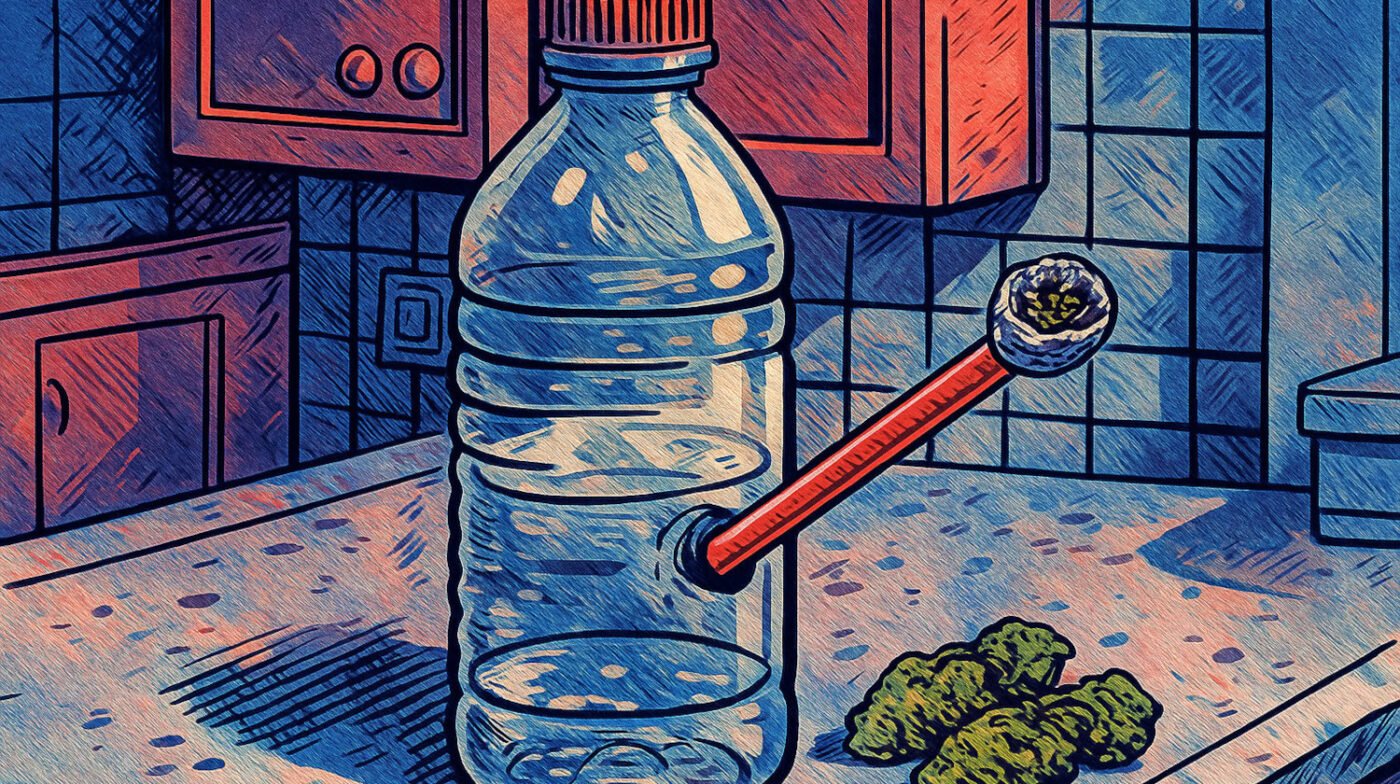
Bongs are a popular way to consume cannabis, using water to cool and filter smoke. They range in price, size, and features, but all use water to filter the smoke.
Most consumers today can find affordable glass pieces at dispensaries, but in a pinch, some turn to makeshift options like a water bottle bong. While it may be a quick solution, there are important reasons why it’s not ideal. This guide examines the risks associated with water bottle bongs, explores safer alternatives, and outlines the steps people typically take when they need to make one.
Why a Water Bottle Bong is Probably Not a Good Idea
A water bottle bong might be simple to put together, but plastic bottles aren’t designed to be smoking devices. When heated, they can release chemicals, microplastics, and nanoplastics into the smoke, which you may then inhale, potentially affecting taste and overall safety.
Plastic also isn’t durable. It warps with heat, holds onto odors, and can’t be cleaned the way glass can. For these reasons, water bottle bongs are best considered a last-resort option, not something to use regularly.
Why Glass is Always Better Than Plastic for Smoking
Glass is the standard material for bongs because it can handle heat without melting or releasing harmful particles. Unlike plastic, it doesn’t warp or hold onto lingering odors after just a few uses. Glass pieces are also much easier to maintain, and with the right care they can last for years. Cleaning a bong regularly helps maintain a smoother smoke and makes the device safer to use.
Beyond durability, glass offers consistency. The structure doesn’t degrade with use, so the experience stays predictable over time. For these reasons, glass remains the safest and most reliable option compared to makeshift plastic bottles.
How to Make a Water Bottle Bong (Step-by-Step)
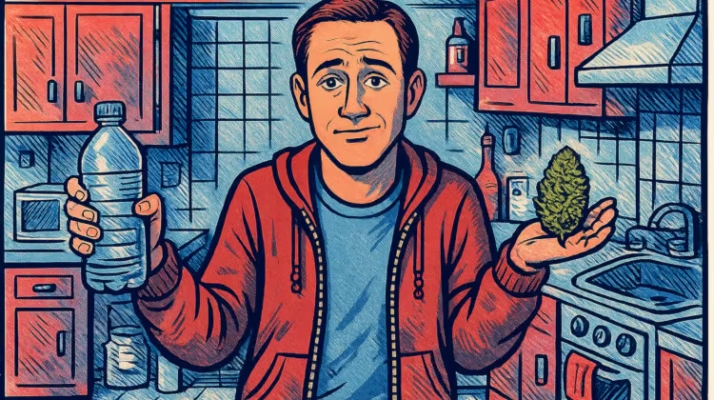
What You’ll Need
- Empty water bottle: Remove the cap and rinse it out.
- Lighter: Used to make holes and ignite flower.
- Scissors or sharp tool: For poking holes in the bottle.
- Bowl piece: If unavailable, some people use a hollow pen tube with foil, but foil may release contaminants when heated.
- Toothpick: Helpful for shaping holes if foil is used.
Step-by-Step Guide
Reminder: This setup isn’t durable and may introduce contaminants from heated plastic or foil. Whenever possible, use a glass or natural alternative instead.
Step 1: Gather your materials
Start with a clean, empty bottle. Have a lighter, a sharp tool, a pen tube (if needed), foil, and a toothpick ready.
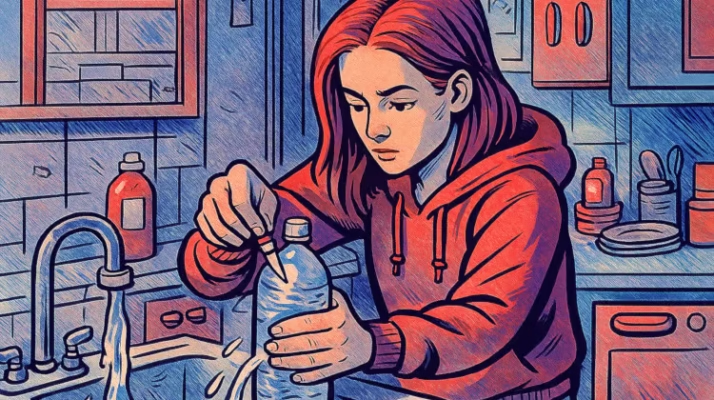
Step 2: Fill the bottle about one-quarter full of water
Adding water first helps you gauge the right placement for the downstem hole. Some people mark the water line with a pen before emptying it again until assembly is complete.
Step 3: Make two holes
One hole just above the water line, slightly smaller than your downstem or bowl piece.
Another near the neck of the bottle to serve as a carb.
Step 4: Insert the bowl or pen tube
Soften the plastic around the lower hole with a lighter to mold the opening. Insert the tube so it reaches into the water. Make sure there are no gaps, as this can let smoke escape. If using foil, wrap it over the top of the tube to form a bowl. Poke a few small holes with a toothpick to allow airflow.
Step 5: Use cautiously
Refill the water if you emptied it earlier. Pack a small amount of flower in the bowl, cover the carb with your finger, and light gently while inhaling through the mouthpiece. Release the carb to clear the chamber.
Safety Tips if You Use a Water Bottle Bong
If you do end up making a water bottle bong, keep in mind that it’s not designed for repeated use. These tips can help reduce some of the risks:
- Avoid reusing bottles. Plastic weakens with heat and may release more particles each time it’s exposed to flame.
- Don’t use bottles left in heat or sunlight. Warm or degraded plastic breaks down faster and may leach more chemicals.
- Keep flame away from the plastic. Try to light only the bowl or foil, not the bottle itself.
- Be cautious with foil. Foil can release contaminants when heated directly. If used, keep the flame elevated above the surface.
- Treat it as a last resort. Glass, fruit-based options, or other alternatives are safer and more sustainable choices.
Conclusion
A water bottle bong might work in a pinch, but it comes with clear drawbacks. Heating plastic can release particles you don’t want in your smoke, and the device itself isn’t durable or easy to clean. Whenever possible, opt for safer alternatives, such as glass, natural materials, or rolling options.If you’re new to cannabis devices, starting with a proper glass piece may be easier, and guides like how to use a bong for the first time can walk you through it. Choosing tools designed for smoking will provide a more consistent experience. Plus, you can avoid the risks that come from these makeshift setups.
